
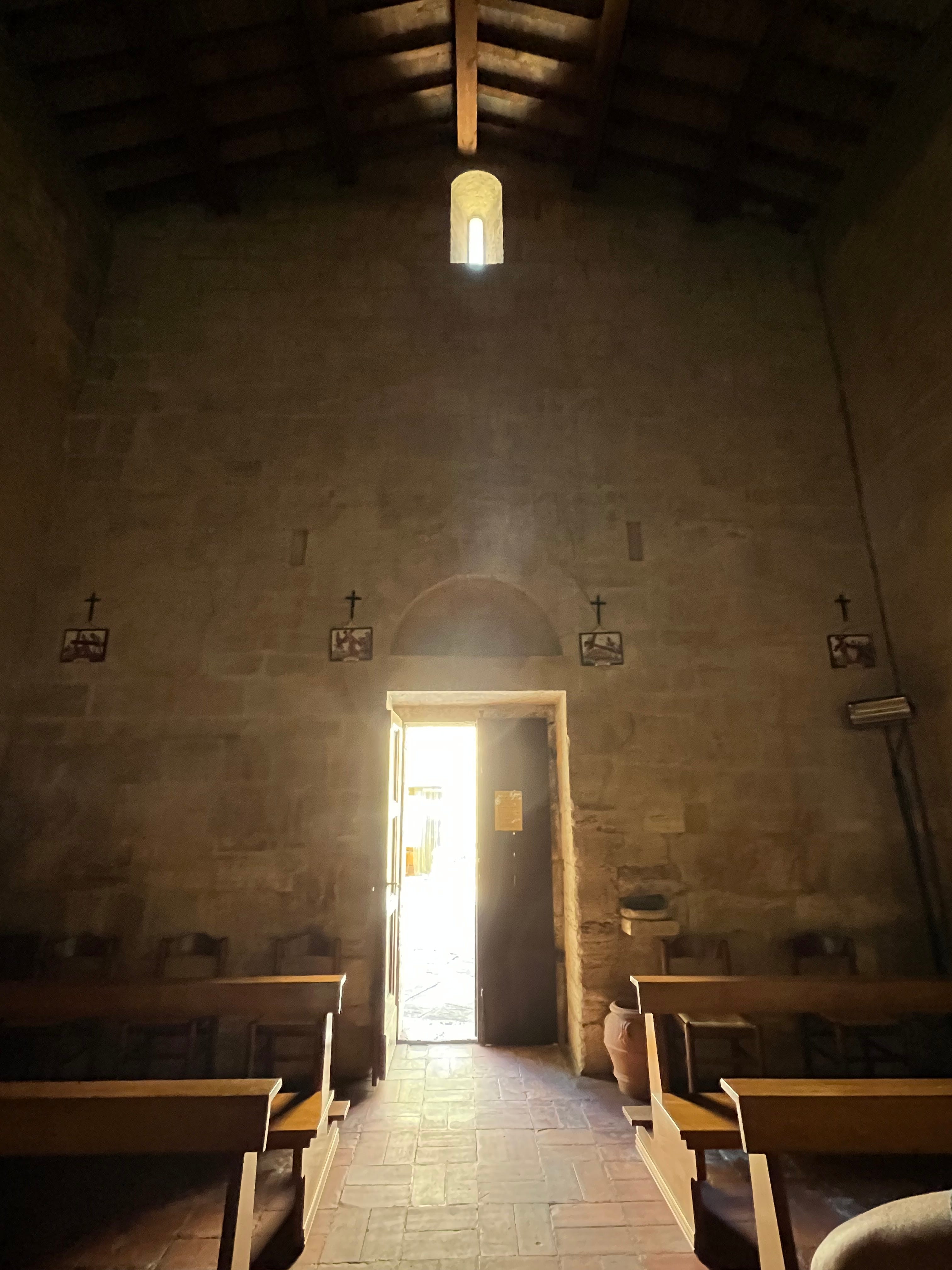
This little light

I’ve been reading an interesting book by Heather Hendershot about the Democratic National Convention in 1968 in Chicago with a particular look at how the three main television networks covered it or, in many cases, how they were impeded in covering it.
Mayor Richard J. Daley didn’t want his city to look bad during the convention and so he did all he could to limit where journalists and camera operators could go. This was also still in the early-ish days of broadcast journalism, so cameras had certain limitations, especially when it came to recording at night. Hendershot told a story about Dan Rather during the civil rights movement and these challenges:
“When white supremacists rioted to protest integration at Ole Miss in 1962, Dan Rather was on the scene with cameraman Dick Perez, who later filmed in Chicago. Rather said, ‘Whenever anyone turned on a light--which meant every time we needed to film—one or more bullets would attempt to knock it out. We had to film and move. Film and move. After a while we worked out a pattern: turn on our battery-powered, portable light, film for fifteen seconds by actual count, turn off the light--if we didn’t get hit--and then run, because we were bound to catch gunfire or bricks or both.”
I have read a fair amount about the many dangers of the civil rights movement for protesters, many of whom, of course, were literally putting their lives on the line. But I haven’t read much about journalists who were doing the same thing. As someone who is always on the lookout for a good metaphor, this story also reminded me of the power (and danger) of shining one’s light.
When we read in the Scriptures sing songs about letting our lights shine, we usually have lovely images of campfires or comfortable Sunday morning worship services. But letting your light shine can also come with risk. However you think about or personify the presence of evil in the world, I don’t find it difficult to believe that there are forces that want to do whatever it takes to make sure that lights stay hidden.
I used to have a podcast about failure and once interviewed Rutha Mae Harris, a member of the Freedom Singers, a group from the civil rights movement that would travel and sing at protests and rallies, including the March on Washington in 1963. She often talks about the power of song and in presentations that she gives at the Albany Civil Rights Institute in Albany, Georgia, she will perform, “This Little Light of Mine.” But she doesn’t sing it, she shouts it, as this article conveys. "You start singing a song, and somehow, those billy clubs would not hit you,” Harris said.
Dan Rather said they would count keep their lights on for 15 seconds before the bullets started flying. Singing the chorus of “This Little Light of Mine,” takes about 30 seconds. Shining your little light matters, even in the midst of pushback, even violence, even if it’s only a few seconds.